



Ghana Abolishes Fuel Perks for Political Appointees in Push for Fiscal Discipline


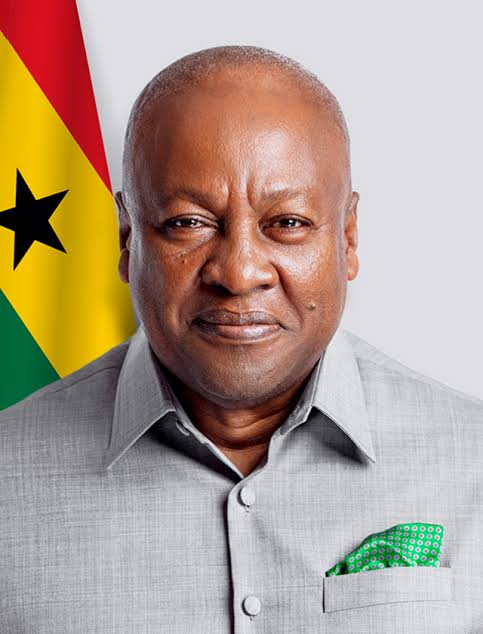
In a decisive move to curb government spending and signal fiscal responsibility, the Government of Ghana has abolished fuel allowances and allocations for all political appointees, effective July 2025. The announcement, delivered by President John Dramani Mahama during a Cabinet retreat, is part of a broader cost-saving and public sector reform agenda.
The measure eliminates both monthly fuel coupons and direct fuel supply privileges, which have long been criticized for lacking transparency and enabling excessive state expenditure. Political appointees will now be required to fund their own fuel costs or use public transport where applicable.
This is not an isolated gesture. It forms part of a broader effort to streamline government operations and rebuild public trust in a country grappling with debt sustainability, currency volatility, and rising inflation. Other accompanying reforms include reducing the number of ministers, suspending DSTV and other premium satellite subscriptions in state residences, and consolidating government vehicle fleets.
Why does this matter?
For the government, this policy is symbolic and structural. It addresses public frustration with perceived elite privilege at a time when ordinary Ghanaians are grappling with high fuel prices, utility costs, and youth unemployment. The reform is also seen as essential to demonstrating domestic commitment to fiscal prudence, particularly as Ghana continues to engage with the IMF under its $3 billion bailout program.

While the immediate budgetary savings may be modest, the policy sends a clear signal: austerity must begin at the top. It aligns with international best practices in public financial management and supports calls for a leaner, more accountable state.
The true test will be enforcement and sustainability. But for now, Ghana’s fuel perk abolition stands as a politically bold and publicly welcomed step toward responsible governance.