









Bank of Ghana issues new Mandate on Crypto Registration


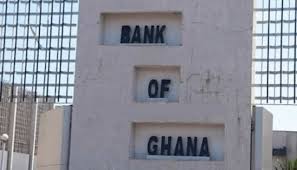
Ghana is transforming its approach to cryptocurrencies with a decisive mandate from the Bank of Ghana (BoG). As of July 7, 2025, the central bank officially requires all Virtual Asset Service Providers (VASPs) which includes exchanges, wallets, and custodians to register within its jurisdiction. This is not merely advisory; as unregistered operators could face fines, forced license revocation, or business shutdowns.
The move follows a dynamic regulatory path: in August 2024, BoG released draft digital-asset guidelines to manage anti-money laundering (AML), consumer protection, and cybersecurity risks. The draft laid emphasis on aligning with Financial Action Task Force (FATF) standards and most particularly Recommendation 15 requiring VASPs to perform customer due diligence, monitor transactions, and report suspicious activity to the Financial Intelligence Centre.
This week’s mandate is a tangible step forward. Beyond simple registration, operators must disclose governance structures, financial statements, internal controls, cyber security protocols, data privacy arrangements, minimum capital requirements, and proven risk frameworks . It also requires adherence to the “Travel Rule” ensuring details of transaction originators and beneficiaries are reported.
Ghana is closing the gap between policy and implementation. Parliament is reportedly set to pass the Virtual Asset Providers Act by September 2025, institutionalizing BoG oversight and establishing a dedicated digital assets unit. Once in force, BoG will coordinate registration with the Securities & Exchange Commission on tokenized assets and involve commercial banks and Enhanced Payment Service Providers for compliant payment facilitation.
By formalizing the crypto sector, Ghana shifts from warning citizens about risk to regulating for innovation. The mandate aims to inject legitimacy into crypto markets, facilitate fintech innovation, and protect users, while safeguarding financial stability. However, challenges remain: monitoring compliance, preventing fraud, and ensuring operators meet high operational standards. With this initiative, Ghana takes a leading role in Africa’s digital finance evolution.