









Deportation Policy: Nigeria responds to Trumps Planned Deportation of Convicts to Nigeria


In 2025, President Donald Trump revived a controversial immigration policy targeting non-U.S. citizens with criminal convictions for deportation. Under this expanded directive, individuals who had served prison sentences in the U.S. were slated for removal; even if their home countries had previously refused to accept them. Notably, Trump’s administration began offloading deportees to third-party African countries like Eswatini and South Sudan. Rumors emerged that Nigeria was being considered as a destination for deported individuals, including non-Nigerians.
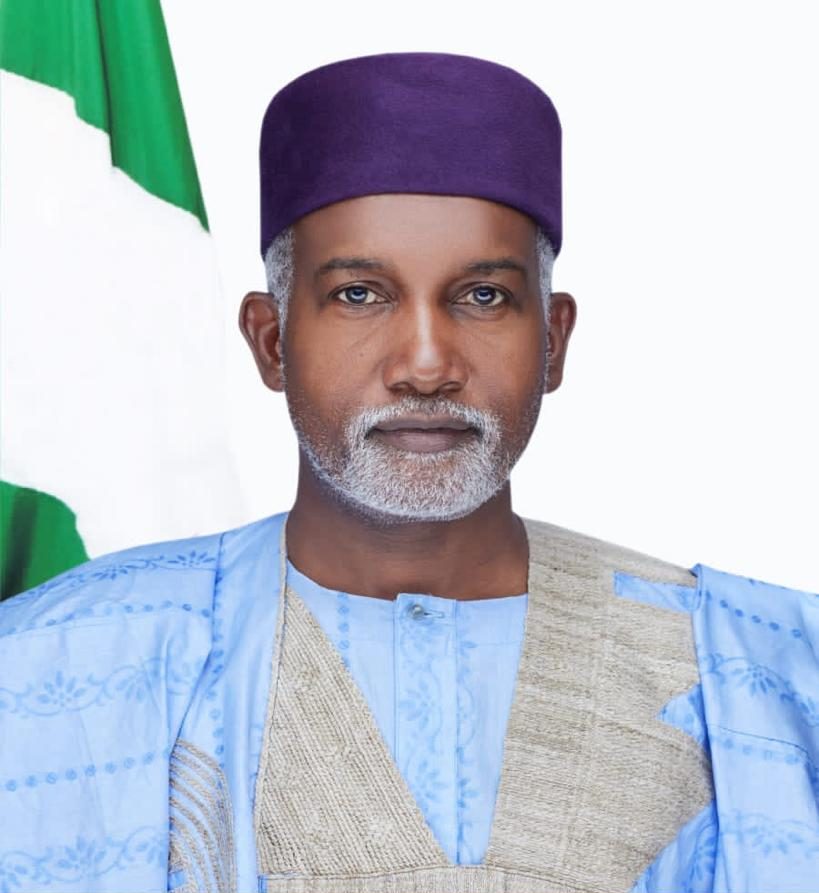
Nigeria’s Foreign Minister, Yusuf Tuggar, strongly rejected any such arrangement. In a pointed statement, he emphasized that Nigeria would not accept convicts from other countries, particularly when Nigeria already faces significant economic and security challenges. Tuggar criticized attempts to use diplomatic pressure to force Nigeria into such agreements and reaffirmed that no deal had been signed. “Nigeria has over 230 million people to take care of—we cannot carry the burden of others,” he declared.
The Nigerian government also appealed for humane and orderly deportation processes for any of its own nationals. A special inter-agency task force was activated to manage the potential repatriation of over 3,600 Nigerians facing deportation, ensuring reintegration and welfare support.

If Nigeria had accepted Trump’s policy, the consequences for Nigerians could have been severe. Communities may have been overwhelmed by an influx of ex-convicts with no familial or national ties, raising public security and social reintegration concerns. The stigma associated with receiving “foreign criminals” could also damage Nigeria’s global image and complicate diplomatic relations. Domestically, it could strain already-limited public resources, increase unemployment, and stoke xenophobic sentiments.
Nigeria’s firm stance reflects a broader African resistance to being used as a dumping ground and a call for fairer immigration and repatriation practices that respect sovereignty and human dignity.