








Bank of Ghana Rolls Out Regulatory Reforms to Boost Transparency and Consumer Protection


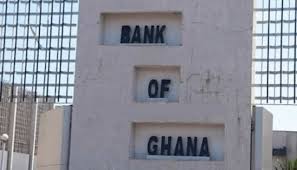
The Bank of Ghana (BoG) has taken decisive steps to strengthen the country’s financial system through a fresh wave of regulatory reforms aimed at boosting transparency, promoting ethical lending, and enhancing consumer protection. Between June 27 and July 2, 2025, the BoG introduced policies that directly address some of the most pressing issues in Ghana’s banking and digital lending sectors.
One of the key reforms is the introduction of strict controls on banking charges and pricing structures. The BoG has now banned banks from imposing interest on dormant accounts, describing such practices as unethical and detrimental to consumer trust. In addition, the central bank has placed a cap on optional issuer fees, limiting them to a maximum of two percent, particularly for cross-currency transactions. This move is expected to eliminate hidden charges and promote price transparency across all financial services.
The BoG has also intensified its focus on the rising issue of non-performing loans (NPLs) in the banking sector. A clear directive now mandates banks to maintain a non-performing loan ratio of no more than ten percent by the end of 2026. To achieve this, financial institutions are required to write off bad loans that have been fully provisioned, adopt more responsible loan restructuring practices, and submit regular monthly reports on loan defaults. Furthermore, the BoG has directed banks to publicly disclose the names of willful defaulters, a step aimed at enforcing credit discipline and deterring irresponsible borrowing.

Recognizing the rapid growth of digital lending platforms and the associated consumer risks, the BoG has also committed to releasing comprehensive digital lending guidelines by August 2025. These guidelines will regulate interest rate disclosures, enforce data privacy protections, and ensure ethical debt recovery methods. For the first time, both bank and non-bank digital lenders will be required to obtain formal licenses, closing existing regulatory gaps and safeguarding consumers, especially the youth and informal workers who are most vulnerable to exploitation in the digital credit space.
Together, these reforms represent a holistic approach by the Bank of Ghana to build a more transparent, fair, and resilient financial system. By tackling unethical charges, tightening lending standards, and preparing to regulate the fast-growing digital lending sector, the BoG is signaling its commitment to both protecting Ghanaian consumers and creating a healthier environment for sustainable financial growth. These efforts are expected to rebuild public confidence and align Ghana’s banking practices with global best standards.