









CBN Mandates Substantial Capitalisation for Stablecoin Issuers, Ushering in New Regulatory Era

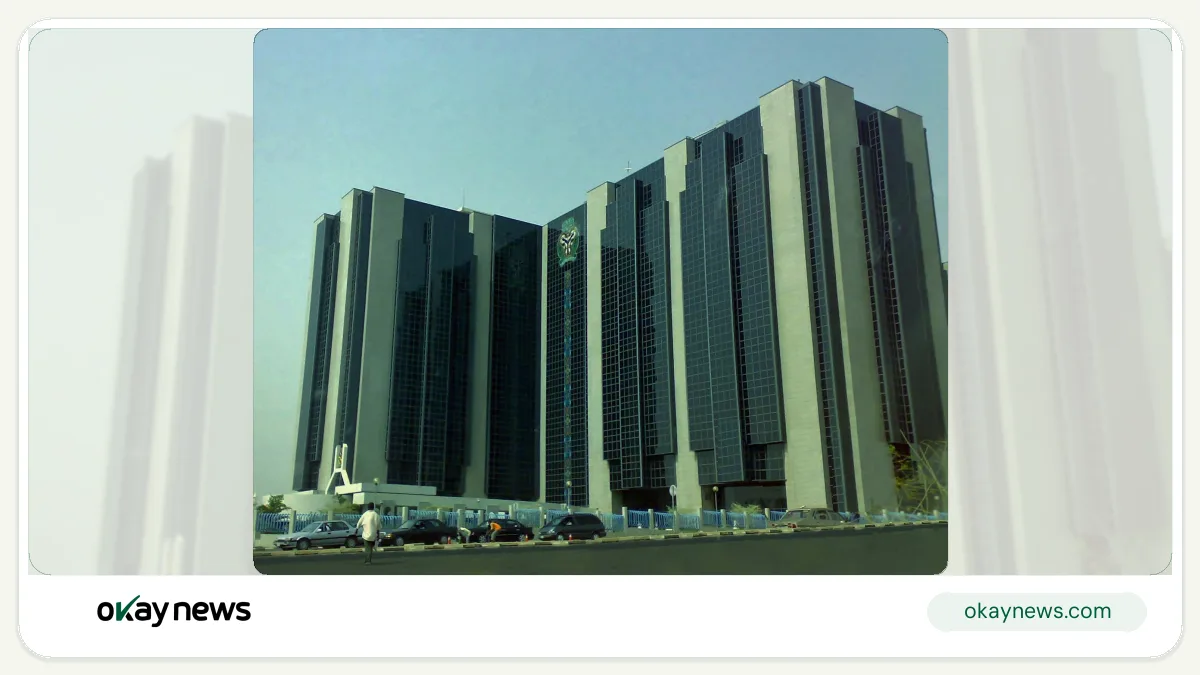

The Central Bank of Nigeria (CBN) has established significant capital requirements for entities operating within the non-security virtual assets space, particularly stablecoin issuers. Effective November 5, 2026, naira-referenced stablecoin issuers must possess a paid-up capital of ₦10 billion, while those referencing foreign currencies face a higher threshold of ₦15 billion. This move, detailed in the “Regulations for the Operations of Non-Security Virtual Assets in Nigeria,” signals a robust regulatory framework designed to enhance stability and trust in the digital asset ecosystem.
The comprehensive regulations, signed by Musa I. Jimoh, director of the CBN’s Payments System Policy Department, encompass a wide array of virtual asset activities. This includes stablecoins, deposit money tokens, and associated services such as payments, custody, remittances, and platform-facilitated peer-to-peer transactions. The framework applies to all activities conducted within or from Nigeria, as well as services directed at Nigerian residents, irrespective of the provider’s physical presence.
Existing operators are afforded a 180-day grace period from the commencement date to secure the requisite licenses or authorisations. However, continued operation during this transition is contingent upon immediate registration with the CBN within 30 days, initiation of supervisory reporting within 60 days, and strict adherence to anti-money laundering and financial crime regulations from the outset. Operators must maintain their current operational scale and operate under interim CBN conditions, with foreign-currency stablecoin arrangements requiring explicit interim permission for continued access during the assessment phase. Failure to submit a complete application within this period will necessitate the cessation of relevant activities until authorisation is granted.
Beyond stablecoin issuers, providers of other non-security virtual asset services are subject to a ₦1 billion capital floor. Importantly, any existing capital requirements from the Securities and Exchange Commission (SEC) or principal CBN licenses are additive, with no overlap permitted between capital contributions for different regulatory mandates. The CBN reserves the right to impose even higher capital requirements, and all capital must be held separately from stablecoin reserves, customer assets, and operational liquidity.
For foreign-currency stablecoins, the regulations mandate a Nigerian-incorporated Class 2 licensed issuer and explicit CBN approval for the token itself, with foreign licenses not serving as a substitute. A limited exception exists for the CBN to recognise offshore-issued stablecoins for approved wholesale cross-border settlement, strictly excluding retail offerings in Nigeria. Stablecoin issuers are also required to maintain full reserve backing, supplemented by a minimum 2% buffer of the face value of coins in circulation. Naira-stablecoin issuers must additionally hold at least 20% of their reserves as cash deposits with the CBN. Holders are guaranteed an enforceable right to redeem at face value in the reference currency, typically by the close of the next business day, with standard redemptions being free of charge.
The regulations explicitly prohibit issuers from offering interest or yield on stablecoins and forbid presenting them as bank deposits or as being covered by NDIC insurance. The CBN has clarified that any license, authorisation, or capital deposit does not constitute an endorsement or guarantee by the Bank. Platform-facilitated peer-to-peer services require specific licensing and approval, with purely private bilateral transfers falling outside this scope. Conversion between naira and foreign-currency stablecoins necessitates express approval and adherence to authorised dealer, reporting, and other stipulated conditions. Algorithmic stablecoins and fiat-referenced tokens backed primarily by other virtual assets are also prohibited. Deposit money tokens remain exclusively within the purview of CBN-licensed deposit money banks, subject to prior written approval. The framework respects the SEC’s jurisdiction over securities, requiring businesses operating across both regulatory domains to obtain approvals from each authority. This comprehensive regulatory overhaul follows the July executive order aimed at coordinating Nigeria’s virtual asset landscape.