









Kenya’s Chilli Exports to China: Navigating Stringent Regulatory Hurdles for Market Access

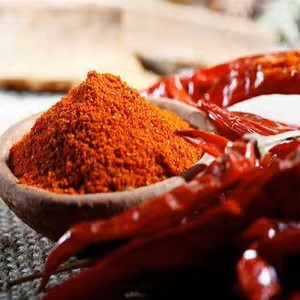

Kenyan dried chilli exporters are poised to enter the lucrative Chinese market, a development that necessitates strict adherence to a comprehensive suite of food safety, quality, and plant health regulations. The Kenya Plant Health Inspectorate Service (KEPHIS) has officially announced this market access, issuing a critical notice to farmers, processors, and exporters. The directive underscores the imperative to meet prescribed export conditions meticulously before any consignments are dispatched to China. This new trade avenue presents a significant opportunity for expansion, contingent upon rigorous compliance with China’s import requirements.
According to the public notice issued by KEPHIS, export processing and packing facilities must first secure registration with China’s General Administration of Customs (GACC) via KEPHIS. These facilities will subsequently undergo inspection and approval by KEPHIS prior to GACC registration. Furthermore, farmers, production sites, drying facilities, and packhouses must all be registered with KEPHIS and satisfy the applicable export certification mandates.
Each consignment of dried chillies destined for China will require a KEPHIS Phytosanitary Certificate, attesting to compliance with the stipulated plant health standards. Exporters are mandated to implement robust traceability systems, embrace Good Agricultural Practices (GAP), and employ Integrated Pest Management (IPM) strategies. Crucially, pest-monitoring records must be maintained for a minimum of two years.
The regulatory framework also imposes stringent limits on contaminants. Dried chillies must comply with prescribed maximum residue limits for pesticides, aflatoxin B1, and heavy metals. Microbiological requirements are also applicable, with KEPHIS enforcing a zero-tolerance policy for Sudan dyes and Salmonella. The moisture content of the dried chillies must not exceed 13 per cent. Packaging and labelling must conform to prescribed standards, utilising clean and appropriate materials for export.

KEPHIS has also highlighted the critical need for consignments to be free from quarantine pests and pathogens identified by Chinese authorities. These include common bean bruchid (Acanthoscelides obtectus), cowpea weevil (Callosobruchus maculatus), and Khapra beetle (Trogoderma granarium). Other significant threats listed are Potato spindle tuber viroid (PSTVd), Tomato brown rugose fruit virus (ToBRFV), zebra chip bacterium (Candidatus Liberibacter solanacearum), bacterial canker of tomato (Clavibacter michiganensis subsp. michiganensis), bacterial speck of tomato pathogen (Pseudomonas syringae pv. tomato), and broomrapes (Orobanche species).
KEPHIS is actively encouraging all stakeholders, including farmers, exporters, processors, aggregators, and industry associations, to seek comprehensive guidance on registration, inspection, certification, and export procedures. The success of Kenyan dried chilli exporters in tapping into the Chinese market will ultimately hinge on their ability to meet these detailed regulatory requirements and secure the necessary certifications prior to shipment. This presents a clear call to action for legal and compliance teams to ensure their clients are fully informed and prepared for these stringent import protocols.