








Mozambique Streamlines Telecom Licensing: 15-Day Approval for Class Licences Signals Regulatory Shift


Mozambique’s telecommunications sector is poised for accelerated growth following the introduction of a new licensing regulation that significantly slashes approval times for class-based licences to just 15 days. This pivotal change, enacted under Decree No. 36/2026 of 16 July, replaces the previous framework and aims to foster greater efficiency and flexibility for operators.
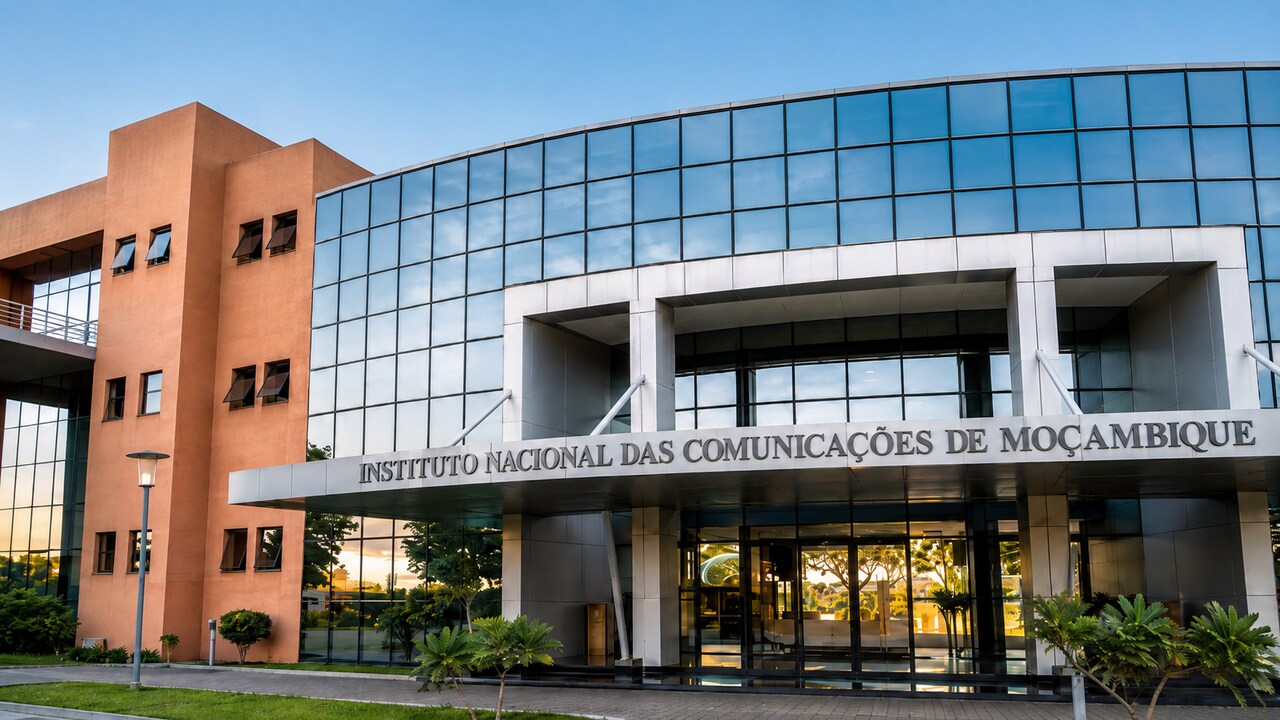
The new Telecommunications and Scarce Resources Licensing Regulation, now in force, defines streamlined procedures for granting telecommunications and scarce resource licences. It applies broadly to entities utilising numbering resources or operating telecommunications or radiocommunications networks and services. A key innovation, as detailed by the Communications Regulatory Authority (INCM), is the introduction of a dual licensing model encompassing both unified and class-based licences. This differentiation allows for tailored regulatory approaches based on the specific nature of an operator’s activities.
For class-based licences, the regulation further refines the process by considering the geographic scope of operations, which can range from municipal to international levels. The INCM has explicitly stated that the 15-day countdown for granting these licences commences immediately upon the receipt of a complete application. This move is expected to reduce administrative burdens and expedite market entry for new and existing players.
Validity periods have also been adjusted, with Class A and Class B licences now issued for 15 years, while Class C licences will have a five-year term. Notably, companies seeking Class C licences are exempt from submitting a technical project, further simplifying the application process.
The regulatory overhaul also introduces specific provisions for the leasing and sharing of radioelectric frequency spectrum. This measure is designed to enhance the flexibility in utilising this critical resource, authorising spectrum leasing for purposes such as testing new technologies, boosting capacity, improving service quality, and establishing new networks.

Furthermore, Decree No. 36/2026 establishes distinct licensing regimes for broadcasting stations, categorising them as private, community, and public. This encompasses both sound and television broadcasting, as well as satellite services. In a significant departure, Article 59 empowers the Regulatory Authority to convert the value of imposed fines into universal service obligations. This provision creates an avenue for directing financial penalties towards initiatives aimed at expanding access to communications services, aligning enforcement with broader developmental goals.
The implementation of this new regulatory framework signifies a comprehensive update to the sector’s operational procedures, covering network and service licensing, spectrum management, and broadcasting services, ultimately fostering a more dynamic and responsive telecommunications environment in Mozambique.