








Nigeria Eliminates Import Duties on Cooking Gas and EVs to Drive Cleaner Energy Adoption

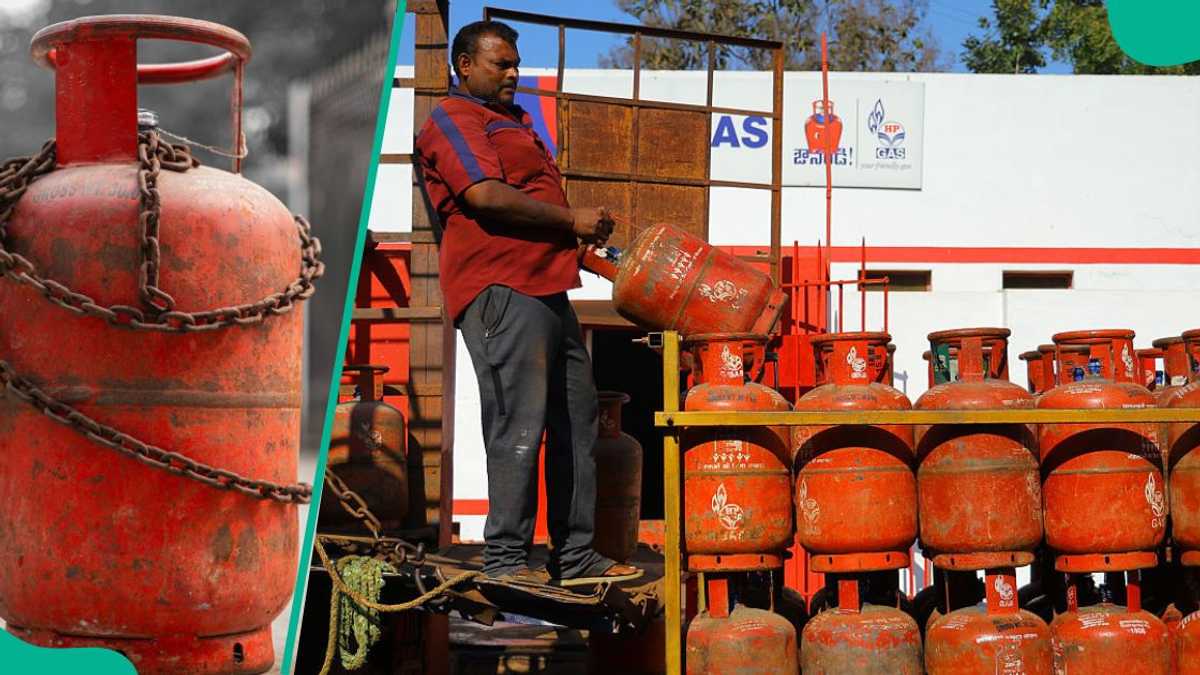

The Nigerian Federal Government has enacted a significant policy shift, removing import duties and Value Added Tax (VAT) on cooking gas (LPG), compressed natural gas (CNG), and electric vehicles (EVs). This strategic move, announced on Thursday, July 30, 2026, by the Nigeria Customs Service (NCS) under the Presidential Gas for Growth Initiative, is designed to accelerate the nation’s transition to cleaner energy sources, reduce transportation and energy costs, and stimulate investment in alternative fuel technologies.
This fiscal incentive is expected to directly impact the cost of cooking gas, with dealers already beginning to adjust prices downwards. The policy aims to make LPG more accessible and affordable for households and businesses, encouraging a wider shift away from traditional, less environmentally friendly fuels such as firewood and kerosene. Industry observers anticipate further price reductions if global LPG prices remain stable, according to reports by Daily Sun and BusinessDay.
The tax exemptions extend to a comprehensive range of clean energy products and vehicles. This includes fully CNG-powered and LPG-powered vehicles, battery electric vehicles, and extended-range electric vehicles (EREVs) capable of travelling at least 200 kilometres on electric power alone. Furthermore, CNG and LPG conversion kits, certified CNG and LPG tricycles and motorcycles approved by the Federal Ministry of Finance, and gas-distribution semi-trailers equipped with CNG, LPG, or liquefied natural gas (LNG) storage tanks are also covered by the waiver. To avail these benefits, importers must secure an Import Duty Exemption Certificate (IDEC) from the Ministry of Finance and adhere to all stipulated regulatory requirements.
However, certain vehicle categories remain subject to import duties and VAT. Hybrid vehicles, dual-fuel CNG/petrol and CNG/diesel vehicles, luxury vehicles valued at $100,000 or more, overseas CNG conversions lacking factory-fitted systems, and non-self-propelled trailers and vehicle spare parts are excluded from these incentives. This targeted approach underscores the government’s focus on promoting specific clean energy technologies.

This initiative follows the Federal Government’s recent introduction of a green tax surcharge on imported vehicles with engines exceeding 2,000cc, with levies of two per cent for engines between 2.0 and 3.9 litres, and four per cent for engines of 4.0 litres and above. Mass transit buses and fully electric vehicles are exempt from this surcharge. The NCS has urged all importers, licensed customs agents, and stakeholders to ensure full compliance with the new guidelines to benefit from these incentives.
The policy shift coincides with a substantial surge in cooking gas imports, which reportedly increased by 1,400 per cent to 1.5 kilotonnes per day (KT/d) in June 2026, as reported by the Nigerian Midstream and Downstream Petroleum Regulatory Authority (NMDPRA). This rise in imports, aimed at addressing supply shortages and stabilising prices, also saw Nigeria’s daily LPG consumption climb by 24 per cent to 5.1 KT/d in the same month.