







Tinubu Declines Meeting South African Envoy Amid Xenophobic Attacks

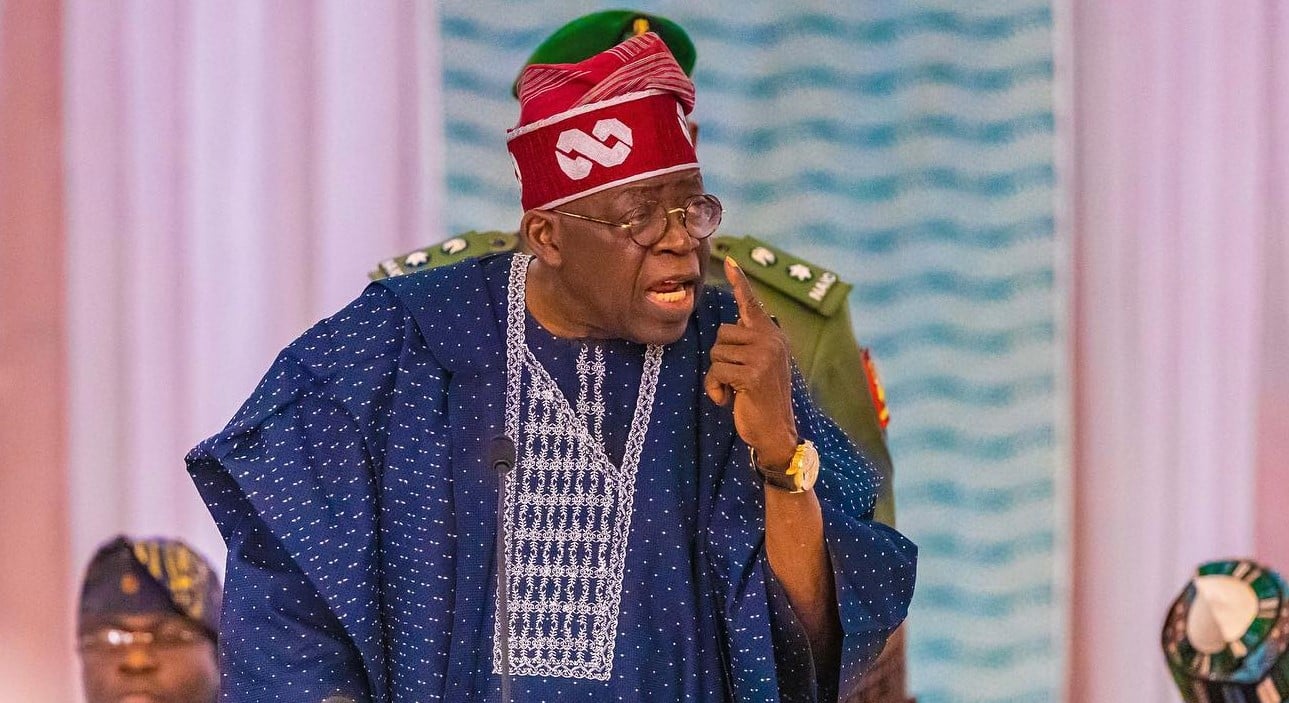

President Bola Tinubu on Monday declined to personally receive a special delegation sent by South African President Cyril Ramaphosa following renewed attacks on Nigerians and other African nationals in South Africa.
The delegation, led by South Africa’s Minister of International Relations and Cooperation, Ronald Lamola, arrived in Abuja to deliver a message from President Ramaphosa. However, instead of meeting Tinubu, the envoys were directed to hold discussions with the Minister of State for Foreign Affairs, Ambassador Sola Enikanolaiye.
According to Presidency sources, the South African delegation initially arrived in Abuja on Friday without prior notice and requested an audience with the President. Officials said the request had to be cleared with Tinubu, who later indicated they could return on Monday. When the delegation returned, the President instructed them to meet with Enikanolaiye, who would brief him afterward.
Sources within the Presidency also disclosed that the meeting was not included in Tinubu’s official schedule, while another official confirmed the President had decided not to receive the delegation personally.
The development comes amid growing diplomatic tensions between Nigeria and South Africa following a fresh wave of xenophobic attacks that have targeted Nigerians and other African migrants. The violence has reportedly forced hundreds of Nigerians to return home.
Officials familiar with the matter also revealed that the Minister of Foreign Affairs, Ambassador Bianca Odumegwu-Ojukwu, who was attending official engagements in Addis Ababa, advised against a direct meeting between Tinubu and the South African delegation while attacks against Nigerians and their businesses were still ongoing.
Receiving the delegation on behalf of the President, Enikanolaiye said Tinubu had instructed him to engage the South African representatives on practical measures to resolve the crisis and preserve the longstanding relationship between both countries.
He described the attacks as “Afrophobic,” noting that Nigerians and other African nationals had repeatedly been victims of violent incidents in South Africa over several decades, with similar attacks recorded in 1995, 1998, 2006, 2015, 2016, 2019, 2021, 2024 and now 2026.
According to the minister, Nigeria’s records show that at least 98 Nigerians have died in mob violence and hate-related attacks in South Africa since 2022. He stressed that such incidents contradict the historical ties between both nations, particularly Nigeria’s support for South Africa during the anti-apartheid struggle.
Enikanolaiye emphasized that while Nigeria does not defend criminal activities such as drug trafficking, anyone accused of an offence must be prosecuted through the legal system rather than subjected to mob justice.
He further argued that many victims of the attacks were law-abiding Nigerians legally residing in South Africa and expressed concern over videos showing security personnel allegedly failing to intervene during attacks. Such incidents, he said, raise serious questions about the responsibility of authorities to protect lives and property.
The minister also highlighted the humanitarian impact of the violence, recalling the evacuation of nearly 1,500 Nigerians who returned home after losing businesses, homes and personal belongings during previous outbreaks of xenophobic violence.

In his response, Lamola said President Ramaphosa had sent him as a special envoy to reaffirm South Africa’s commitment against xenophobia, racism, violence, discrimination and other forms of intolerance.
He maintained, however, that South Africa would continue enforcing its immigration laws and take action against undocumented migrants and individuals involved in criminal activities within its borders.
Lamola acknowledged that migration remains a continent-wide challenge requiring cooperation among African nations and expressed confidence that continued dialogue between Nigeria and South Africa would help ease tensions and strengthen bilateral relations.
Relations between the two countries have deteriorated in recent weeks following renewed xenophobic attacks that reportedly began in April 2026 across several South African provinces.
The crisis prompted President Tinubu to approve five Air Peace evacuation flights after more than 1,000 Nigerians registered for voluntary repatriation. Nigeria has also warned that further diplomatic measures remain under consideration, while the House of Representatives recommended suspending business permits for South African companies operating in Nigeria. The Senate also dispatched a delegation to Pretoria to formally convey Nigeria’s concerns.
Lamola’s visit is widely seen as part of President Ramaphosa’s effort to reduce tensions ahead of the African Union Extraordinary Summit on Conflict Prevention and Resolution, scheduled to hold in Angola from August 29 to 30, 2026.