







SERAP Urges National Assembly to Reject Data Protection Amendment Bill


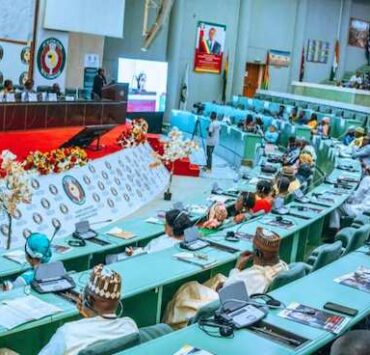
The Socio‑Economic Rights and Accountability Project (SERAP) has called on Senate President Godswill Akpabio and House Speaker Tajudeen Abbas to immediately reject and withdraw the Nigeria Data Protection (Amendment) Bill, 2026.
In a letter dated 18 July 2026, signed by Deputy Director Kolawole Oluwadare, SERAP described the Bill—sponsored by Senator Ned Nwoko (APC, Delta North)—as a covert attempt to regulate social media and expand governmental control over digital platforms, in violation of constitutional and international human rights standards.
The Bill seeks to compel social media platforms, data controllers, and processors operating in Nigeria to establish physical offices in the country, while empowering the Nigeria Data Protection Commission (NDPC) to shut down or prohibit non‑compliant entities within 30 days.
SERAP warned that such localisation requirements would increase government leverage over platforms, facilitate censorship, expose employees to retaliation, and risk excluding millions of Nigerians from digital spaces. The organisation argued that the Bill mirrors earlier attempts to regulate social media, reviving concerns about undue governmental control over online expression.
Citing the ECOWAS Court of Justice ruling in SERAP v. Federal Republic of Nigeria on the suspension of Twitter, the group stressed that the proposed amendment could indirectly reproduce the same violations of freedom of expression, access to information, and media freedom.
SERAP maintained that the Bill fails constitutional tests of legality, necessity, and proportionality under Section 45 of the Nigerian Constitution, and contravenes Nigeria’s obligations under the African Charter and the International Covenant on Civil and Political Rights.

The organisation further warned that the amendment would undermine Nigeria’s digital economy, innovation ecosystem, and international standing, while imposing severe compliance burdens on startups, educational institutions, and smaller technology firms.
“The National Assembly should not achieve indirectly through localisation requirements what it cannot constitutionally achieve directly through restrictions on social media,” SERAP stated, urging lawmakers to withdraw the Bill in the interest of democracy, rule of law, and Nigeria’s digital future.