






Namibia Forges Strategic China Partnerships in Critical Minerals, Energy, and Agriculture

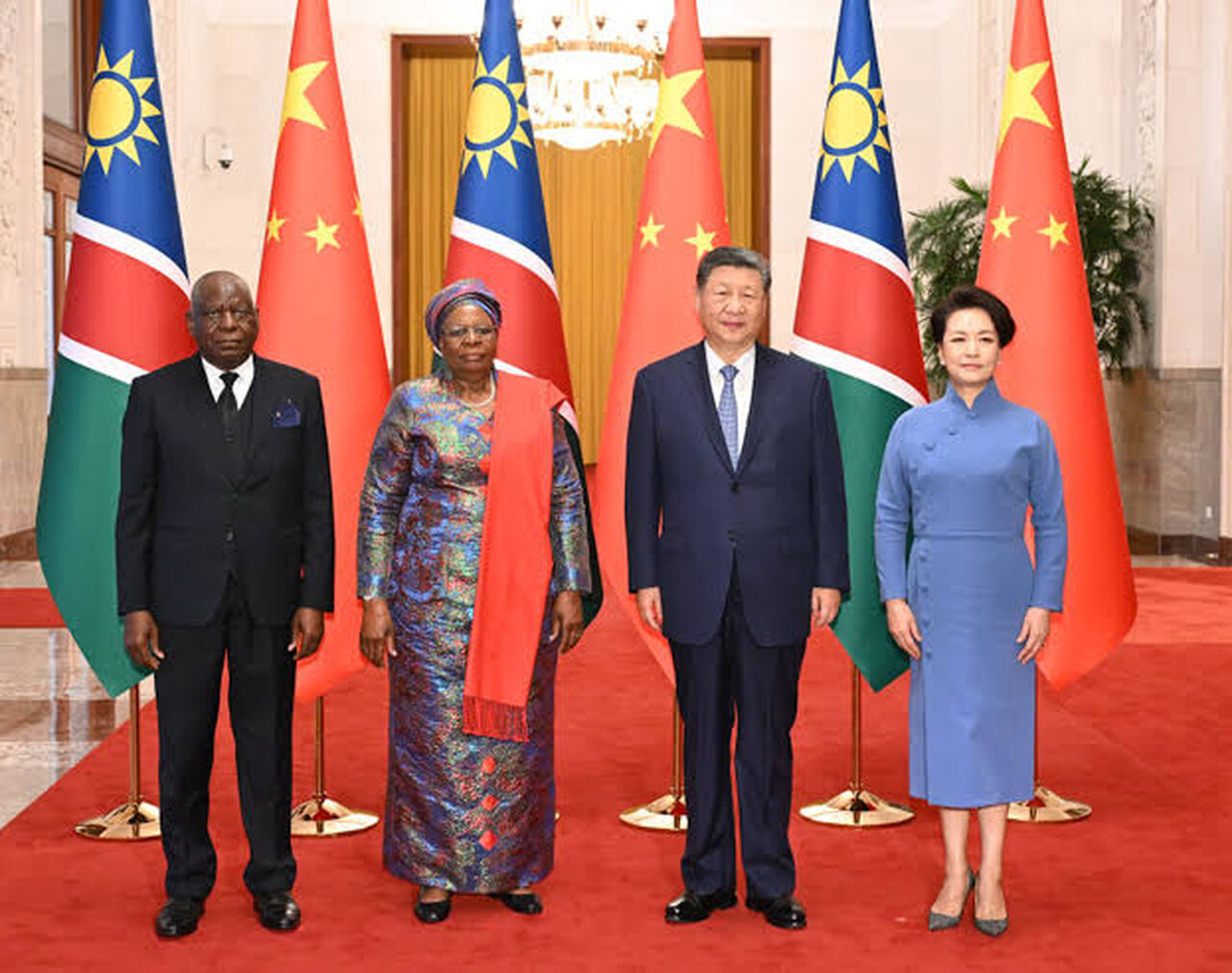

Namibia has secured significant new cooperation agreements with China, focusing on the vital sectors of energy, mining, agriculture, and infrastructure. The pacts were announced following high-level discussions in Beijing between Chinese President Xi Jinping and Namibian President Netumbo Nandi-Ndaitwah. This development signals a deepening of bilateral ties and presents substantial opportunities and regulatory considerations for businesses and investors operating within these key Namibian industries.
President Nandi-Ndaitwah’s seven-day state visit to China, her first outside Africa since assuming office, underscores Namibia’s strategic intent to attract investment from China, the world’s second-largest economy and a major international creditor. The visit, which included a delegation of dozens of business executives, aimed to bolster Namibia’s electoral pledges for job creation and economic diversification. “In Namibia, we reaffirm our unwavering commitment to this longstanding friendship with China,” stated President Nandi-Ndaitwah, highlighting the strategic importance of the relationship. President Xi Jinping reciprocated, expressing appreciation for Namibia’s choice of China as the first state visit destination outside Africa, demonstrating the value placed on this partnership.
The cornerstone of the strengthened cooperation lies in eight signed documents, including agreements on green minerals and an economic partnership framework. According to a statement from China’s state news agency Xinhua, Beijing is keen to deepen collaboration with Windhoek across infrastructure, energy, mining, agriculture, education, youth, science, and technology. A joint declaration cited by Xinhua specifically recognises the strategic value of critical minerals, with both nations agreeing to enhance cooperation in the development of key resources such as uranium, lithium, and rare earths.
Crucially, the agreements emphasise the promotion of local processing of mineral resources, a growing priority for African commodity producers. This focus, coupled with commitments to technology transfer and local skills development, presents a clear regulatory and investment landscape for companies seeking to engage in Namibia’s resource sector. Namibia’s rich natural endowments, including estimated reserves of 2.6 billion barrels of crude oil discovered by Shell and TotalEnergies, position it to become Africa’s fourth-largest oil producer by 2030.

China is already a principal export market for Namibia, accounting for approximately one quarter of its total exports. Uranium constitutes a significant portion of this trade, with 85% of the US$1.3 billion in Namibian goods purchased by China last year being uranium. Chinese companies have invested US$4.2 billion in Namibia, with the vast majority directed towards the metals sector, according to data from the American Enterprise Institute. President Nandi-Ndaitwah’s vision for a “green revolution” anchored in agriculture and water resource development, alongside the IMF’s emphasis on structural reforms in agriculture, fisheries, and emerging energy sectors like green hydrogen, aligns with these new Sino-Namibian economic strategies.