








ECOWAS Moves to Slash Airfares: Lomé Summit Tackles Costly Regional Aviation

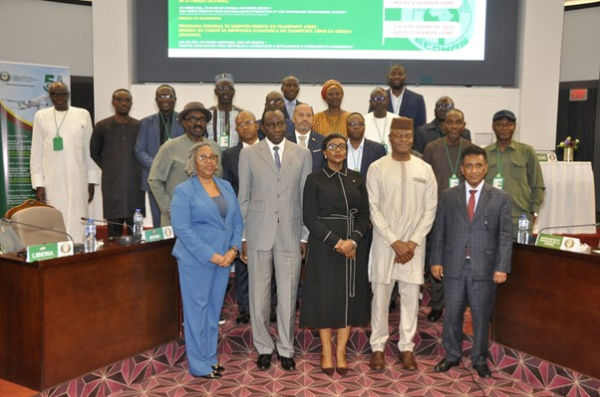

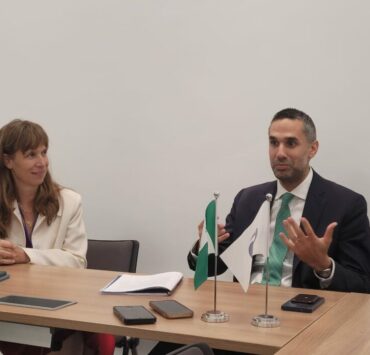
The Economic Community of West African States (ECOWAS) is taking decisive action to address the prohibitive cost of air travel within the region. Directors General of civil aviation, airport managers, airline representatives, and air navigation service providers convened in Lomé on July 2, 2026, for the inaugural meeting of the ECOWAS Economic Committee for Air Transport Supervision (ECATEOC). The two-day summit, opened by Togolese Minister of Transport, Disenclavement, and Rural Tracks, Komlan Kadjé, signals a concerted effort to transform West African skies from an exclusive service into a catalyst for regional integration, trade, and mobility.
Minister Kadjé underscored the critical juncture facing West African air transport, stating, “West African air transport is at a crossroads today. It can remain an expensive service, reserved for a few, or become the lever for integration, trade, and mobility that our peoples expect.” This sentiment reflects a broader ECOWAS initiative, stemming from a December 2024 decision by Heads of State and Government in Abuja. That measure mandated the reduction of air ticket costs across the region by abolishing specific taxes and reducing passenger and security fees by 25%, with an effective date of January 1, 2026.
The impetus for this reform is the stark reality of exorbitant charges. Passengers in the sub-region can face up to 66 distinct charges, while airlines are burdened with over 100 fees to operate a single flight. Data presented by Minister Kadjé, and corroborated by AFRAA, reveals that taxes, fees, and charges on international departures average $92 in West Africa, significantly higher than the African average of $66 and the approximately $32 seen in the Middle East and Europe. This disparity means a West African passenger effectively pays nearly three times more for the same air travel service compared to their European counterparts.
The ECOWAS additional act targets four specific levies deemed unrelated to sector development: the ticket tax, the solidarity tax, the tourism tax, and the foreign travel tax. Furthermore, it mandates a minimum 25% reduction in passenger and security fees. ECOWAS parliamentary experts project that strict adherence to this act could lead to a 40% decrease in ticket prices and stimulate demand by 20% to 30%. Vice-President of the ECOWAS Commission, Damtien Tchintchibidja, highlighted that these projections underpin the reform’s ambition: to foster competitive air transport, attract low-cost carriers, and substantially boost passenger traffic.

ECATEOC has been established as the crucial mechanism to ensure the Heads of State’s directive translates into tangible results. Chris Appiah, Director of Transport at the ECOWAS Commission, noted during the meeting that member states are at varying stages of implementation, with some having already initiated reforms and others lagging. A differentiated timetable will be developed, requiring member states to report progress to the Heads of State in late July and again in December 2026. ECOWAS has instituted a regional monitoring framework to verify that fee reductions are passed on to passengers, rather than solely enhancing airline profit margins.
Minister Kadjé candidly acknowledged the fiscal implications for member states, stating, “These decisions are not painless. Several of our states, including Togo, collect certain of these taxes and see them as a source of revenue…” He tempered this by asserting, “…but experience teaches us a simple truth: an overtaxed sector is a shrinking sector, and a shrinking sector yields nothing.” The minister also appealed for financial partner support during the transition period. Togo, in particular, is positioning Lomé as a regional hub and is committed to meeting the implementation deadlines, reinforcing its commitment to regional aviation development, a role President Faure Gnassingbé has championed as the African Union’s designated champion for the Single African Air Transport Market (SAATM) since 2018.