









Cardoso Pivots Nigeria’s Fintech Ambition: From Adoption to Global Production Hub

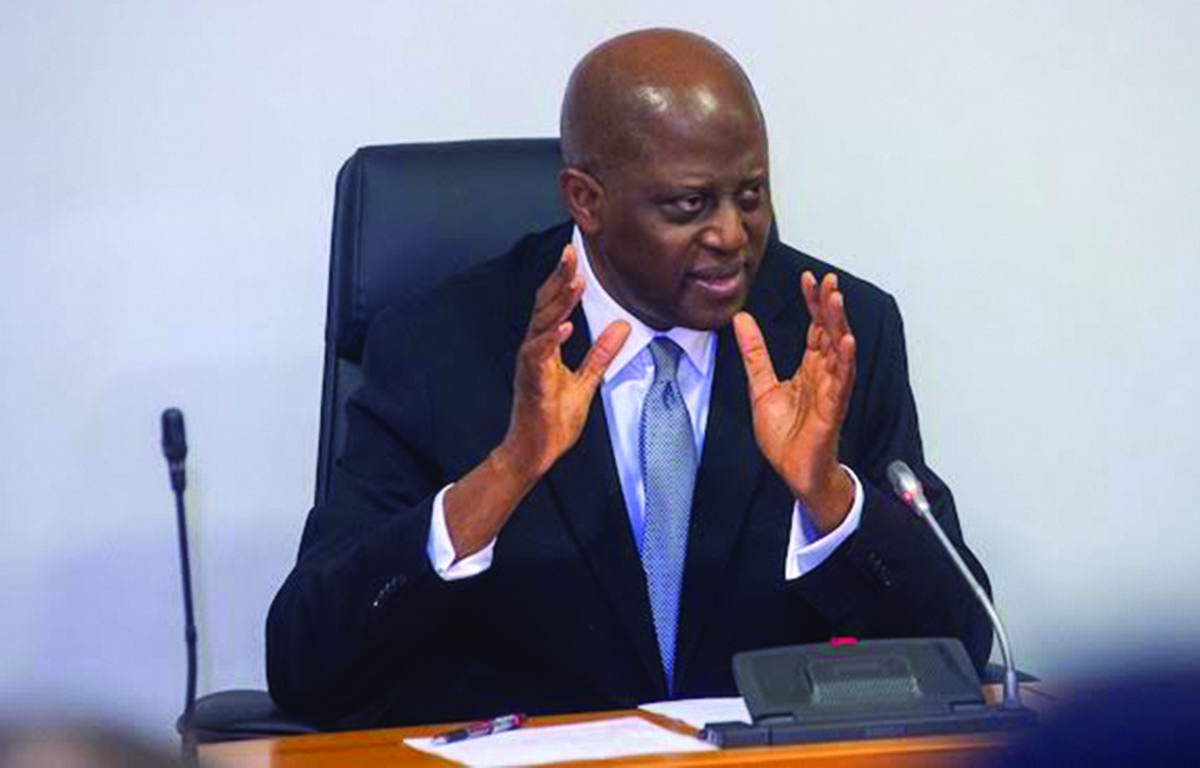

Central Bank of Nigeria (CBN) Governor, Olayemi Cardoso, has articulated a transformative vision for Nigeria’s financial technology sector, aiming to propel the nation from a mere consumer of fintech solutions to a global powerhouse for fintech innovation and export. This strategic pivot, detailed at the Future of Banking Summit 2026, underscores a commitment to leveraging Nigeria’s burgeoning digital payments landscape to foster indigenous technological development and international competitiveness.
Speaking through Dr. Okpanachi Moses, Director of Statistics at the CBN, Cardoso outlined the Payment System Vision (PSV) 2028, a comprehensive framework designed to build upon Nigeria’s established strengths in digital payments and solidify its position as Africa’s preeminent fintech innovation centre. The ambition is clear: to see globally competitive fintech solutions conceived and developed within Nigeria, originating from cities like Lagos, Abuja, and Kaduna, and subsequently exported worldwide. This initiative seeks to harness Nigerian data and infrastructure to fuel this growth.
The CBN’s recent regulatory interventions, including the January 1, 2027 deadline for localising payment transaction data, requirements for disclosing ultimate beneficial owners, and new market structure rules, are foundational to this vision. These measures are intended to enhance regulatory oversight, mitigate concentration risks, and cultivate a more resilient payments ecosystem, thereby creating a fertile ground for homegrown innovation.
Cardoso emphasised that Nigeria is not embarking on this journey from a nascent position. He highlighted the nation’s dynamic payments ecosystem, characterised by rapid instant payments, significant fintech advancements, and an extensive agent banking network reaching approximately two million agents nationwide. These achievements, he noted, already place Nigeria’s performance favourably against many advanced markets. PSV 2028, therefore, represents an evolution of this success, not a response to shortcomings.
The PSV 2028 is anchored by six core principles: interoperability, security, financial inclusion, innovation, transparency, and collaboration. Interoperability is envisioned as a seamless experience where payment systems function fluidly across banks, fintechs, and national borders, eliminating user concerns about the recipient institution. This requires payment rails built on open standards, ensuring value transfer is frictionless, irrespective of the platforms or providers involved.
Security and consumer trust are paramount. Cardoso stressed that a payment system’s strength is intrinsically linked to the confidence users place in it. Robust risk management, cybersecurity, and fraud prevention must be integral to system design, ensuring that digital financial transactions are demonstrably safer than any alternative.
A key objective of PSV 2028 is to achieve 95 per cent financial inclusion by 2028, promoting digital payment adoption while acknowledging the continued role of cash. Furthermore, Nigeria aims to deepen cross-border payment integration, particularly within the African Continental Free Trade Area (AfCFTA). High payment costs are identified as a significant impediment to intra-African trade, and through initiatives like the Pan-African Payment and Settlement System (PAPSS), Nigeria seeks to be a leading force in Africa’s financial integration.

Beyond the fintech agenda, Cardoso addressed the critical imperative of deploying the N4.65 trillion raised during the recent bank recapitalisation exercise. He cautioned that the recapitalisation was not an end in itself but a means to enhance banks’ capacity to absorb risk, underwrite transactions, withstand shocks, and finance investment and consumption. The focus must now shift decisively from capital accumulation to strategic deployment.
The CBN Governor urged banks to channel these strengthened capital bases into productive sectors of the economy, including small and medium-sized enterprises, agriculture, infrastructure, and job-creating businesses that generate foreign exchange. He underscored that a banking system that lends timidly after recapitalisation has missed the fundamental objective.
Ultimately, the success of the Payment System Vision 2028 will be judged by its execution and tangible outcomes. This requires ambitious and disciplined capital deployment by banks, secure innovation from fintechs, and concerted effort from telecommunications companies, payment operators, regulators, development partners, and all users of the financial system.