









Kenya Accelerates Anti-Financial Crime Reforms to Exit FATF Grey List

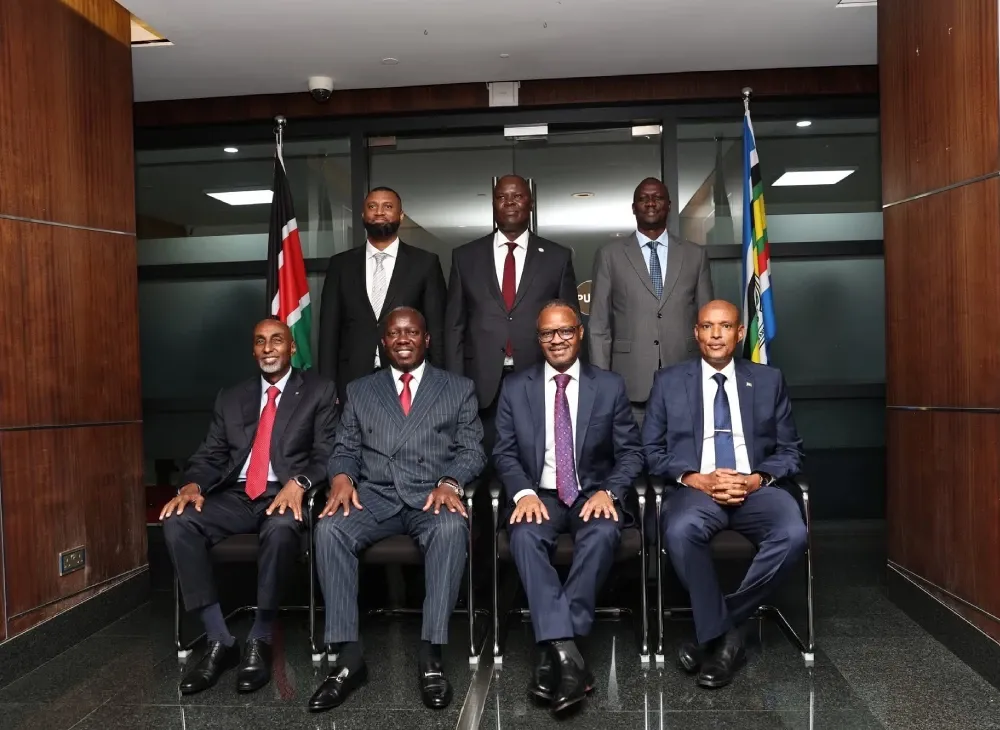

Kenya is intensifying its strategic efforts to combat money laundering, terrorism financing, and other financial crimes, signalling a concerted push to be removed from the Financial Action Task Force (FATF) grey list. Senior officials from critical law enforcement and financial oversight bodies convened recently to coordinate and accelerate the implementation of reforms essential for this objective.
A high-level breakfast meeting brought together key figures including Director of Public Prosecutions Renson Ingonga, Director General of the Financial Reporting Centre Naphtaly Rono, Director of Criminal Investigations Mohamed Amin, and Ethics and Anti-Corruption Commission Chief Executive Officer Abdi Mohamud. Senior representatives from the Asset Recovery Agency and the Kenya Revenue Authority were also in attendance. The gathering underscored the imperative of reinforced inter-agency cooperation as Kenya strives to meet the remaining stipulations of the FATF Action Plan, a roadmap designed to guide jurisdictions towards exiting the international watchdog’s enhanced monitoring list.
The assembled officials reaffirmed the government’s comprehensive, whole-of-government strategy for tackling financial crime, with a particular emphasis on fostering closer collaboration among investigative, prosecutorial, and financial intelligence agencies. Discussions, as reported by Dawan Africa, centred on addressing the strategic deficiencies identified within Kenya’s Anti-Money Laundering and Countering the Financing of Terrorism (AML/CFT) framework. A key outcome was the agreement to enhance operational coordination, bolster information sharing protocols, and improve collaborative efforts in the investigation of financial crimes, the prosecution of offenders, and the recovery of illicit proceeds.
Furthermore, the meeting reviewed mechanisms for harmonising statistical data and reporting under the FATF Immediate Outcomes framework. Officials recognised that accurate and measurable data is fundamental to demonstrating the practical effectiveness of Kenya’s AML/CFT system. Preparations for an upcoming face-to-face engagement with the FATF Africa Joint Group were also assessed. This group will evaluate Kenya’s progress in implementing the agreed reforms before making recommendations regarding the country’s status. Confidence was expressed that sustained collaboration and the timely execution of outstanding action points will significantly strengthen Kenya’s case for grey list delisting.
These intensified efforts align with broader government initiatives to bring Kenya’s financial system into closer conformity with international standards for combating financial crime. Since its placement on the FATF grey list in 2024, Kenya has expedited legal, regulatory, and institutional reforms. These measures include enhanced supervision of financial institutions, money remittance providers, virtual asset service providers, and designated non-financial businesses and professions. Authorities have also prioritised strengthening beneficial ownership transparency to improve the identification of ultimate beneficial owners of corporate entities.

The government has concurrently increased resource allocation to agencies tasked with financial intelligence, investigations, prosecutions, and asset recovery. Coordination has been improved through joint investigations and intelligence sharing among institutions such as the Financial Reporting Centre, Directorate of Criminal Investigations, Office of the Director of Public Prosecutions, Ethics and Anti-Corruption Commission, Kenya Revenue Authority, and the Asset Recovery Agency. In recent months, investigations into complex financial crimes have been intensified, alongside efforts to confiscate proceeds of crime, strengthen oversight of suspicious financial transactions, and expand training for legal and judicial professionals involved in money laundering and terrorism financing cases.
Kenya continues to collaborate with international partners, including the Eastern and Southern Africa Anti-Money Laundering Group (ESAAMLG) and the FATF, to implement reforms and demonstrate both technical compliance and practical effectiveness of its AML/CFT framework. The government views exiting the FATF grey list as a national priority, recognising that enhanced compliance with international standards will bolster the integrity of Kenya’s financial system, attract investor confidence, facilitate cross-border trade, and reduce the cost of international financial transactions for businesses and consumers alike. For legal practitioners, compliance officers, and corporate executives, this sustained focus on regulatory alignment signals a more stable and predictable operating environment.