








US Solar Manufacturers Petition for Probe into South Korean Cell Imports, Alleging Tariff Circumvention

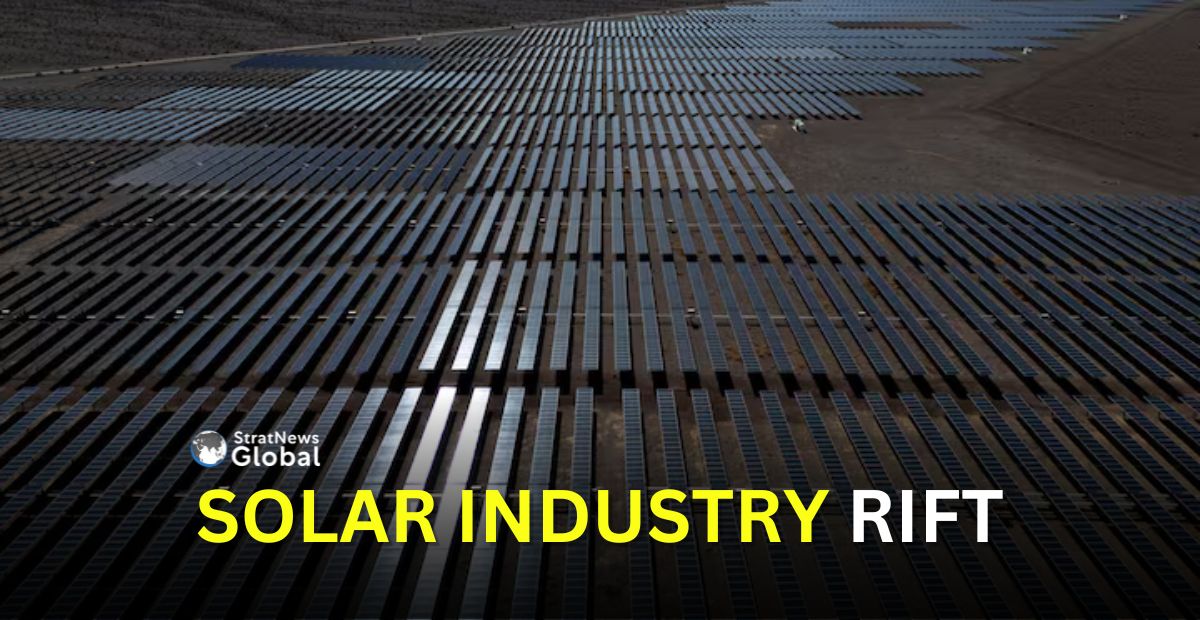

A coalition of three prominent U.S. solar panel manufacturers has formally requested that U.S. authorities initiate an investigation into solar cell imports originating from South Korea. The petition, submitted to the U.S. Department of Commerce on June 18, alleges that companies, specifically naming Hanwha’s Qcells, are leveraging these imports to circumvent existing tariffs imposed on Chinese-manufactured solar products. The filing was made on behalf of a joint venture comprising Canadian Solar, SEG, and Heliene, all of which operate significant solar panel production facilities within the United States.
Operating under the banner of American Manufacturers for Energy Resilience (AMER), the group is seeking an anti-circumvention probe. AMER contends that Qcells has strategically shifted its solar cell production from China to South Korea specifically to evade U.S. trade duties. Solar cells are fundamental components, serving as the building blocks for solar modules, or panels, which are responsible for converting sunlight into electricity. U.S. trade law permits the extension of tariffs to goods routed through third countries when the processing undertaken in those intermediary nations is deemed minor.
An attorney representing the AMER coalition, John Anwesen, articulated the group’s objective as seeking equitable competition. “It is time that companies like Hanwha Qcells, that have been allowed to game both sides of U.S. trade law for far too long, are held accountable,” Anwesen stated. He further elaborated that “The AMER coalition is focused on leveling the playing field to allow fair competition across American solar manufacturers, and this circumvention inquiry request is a step towards that goal.”
In response to the allegations, Qcells has firmly rejected the claims. The company operates two solar manufacturing facilities in Georgia, U.S., and has publicly stated its ambition to produce all critical components for silicon-based solar panels domestically. Qcells has reportedly invested billions into its U.S. manufacturing operations and has been a significant proponent of recent U.S. trade petitions targeting solar imports from Southeast Asian nations, some of which supplied the very factories owned by Canadian Solar, SEG, and Heliene.

A spokesperson for Qcells, Marta Stoepker, issued a statement asserting the company’s commitment to domestic manufacturing and trade enforcement. “Qcells has led the effort to reshore solar manufacturing in the United States, and we have a decade-long record of supporting strong trade enforcement, not evading it,” Stoepker said. “We’ve reviewed this filing and are confident the evidence will show its claims are without merit.” This development underscores the ongoing complexities and legal challenges within the global solar supply chain, with significant implications for compliance officers, general counsel, and corporate executives navigating international trade regulations and market dynamics.