








Nigeria’s Grid Failure Fuels Rapid Solar Market Growth, Presenting Regulatory and Investment Opportunities

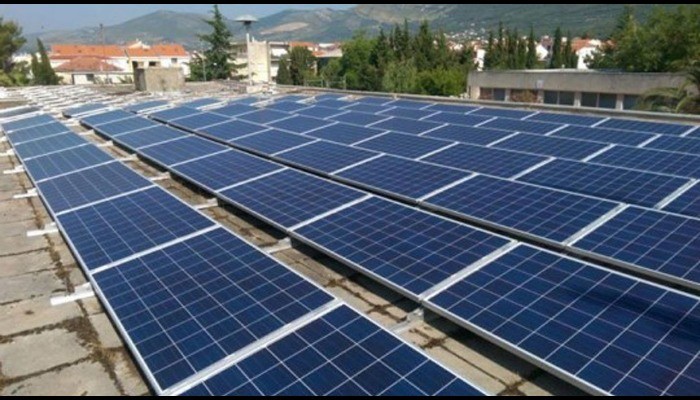

The persistent unreliability of Nigeria’s national electricity grid, a long-standing challenge for its over 220 million citizens, is inadvertently fostering the continent’s second-largest solar market. This burgeoning sector, driven by a confluence of escalating generator fuel costs and a growing demand for energy independence, presents significant legal, regulatory, and commercial implications for businesses and investors operating within Nigeria.
As reported by BusinessDay, the nation’s power sector, despite its historical roots, continues to grapple with chronic underperformance. By March 2026, the national grid was supplying a mere 3,940 megawatts, a figure starkly insufficient for the country’s vast population. This deficit has historically been bridged by a pervasive reliance on petrol and diesel generators, a practice estimated to cost the nation approximately $14 billion annually and contribute significantly to environmental pollution. However, recent economic shifts, including the removal of fuel subsidies in 2023 and the devaluation of the naira, have dramatically altered the economics of self-generation. The escalating operational costs of generators have made the annualised expense of installing solar power increasingly competitive, prompting a widespread pivot towards renewable energy solutions.
This transition is evident across various demographics. Catherine Ime, a business owner in Abuja, exemplifies this trend, having recently transitioned to a rooftop solar system after years of battling erratic grid supply and the associated costs of food spoilage and generator fuel. Her experience highlights the tangible impact of unreliable power on household budgets and daily life, particularly for remote workers and those dependent on electricity for essential services like water pumping. Similarly, Ise Tony, another Abuja resident, opted for solar over a year ago due to persistent power supply issues, finding the system efficient and affordable for powering essential appliances.
The appeal of solar extends even to premium electricity consumers. Andrew Chinemere, a resident classified under Band A, which mandates a minimum of 20 hours of daily supply following tariff increases in 2024, has invested in solar. He cites the failure of electricity distributors to consistently meet promised service levels as the primary driver, underscoring a desire for predictable energy supply over cost savings. The decision by the federal government to approve solar power system installation at the Presidential Villa further signals the widespread recognition of solar’s potential to guarantee reliable electricity, even at the highest levels of governance.
The Nigerian government is actively supporting this renewable energy surge through strategic initiatives. Abba Abubakar Aliyu, managing director of the Rural Electrification Agency (REA), highlighted a $750 million government-backed programme, designed to catalyse $1.1 billion in private-sector financing for electrifying 17.5 million Nigerians. This ambitious undertaking includes the deployment of 1,350 mini-grids and 42 interconnected mini-grids, injecting over 200 megawatts of renewable electricity into the national system, often incorporating battery storage for enhanced reliability. The REA is also extending renewable energy infrastructure to critical sectors, including 15 universities and 100 health institutions, and supporting agricultural production clusters. Notably, Nigeria has commenced exporting locally manufactured photovoltaic panels, signalling a growing domestic manufacturing capability.
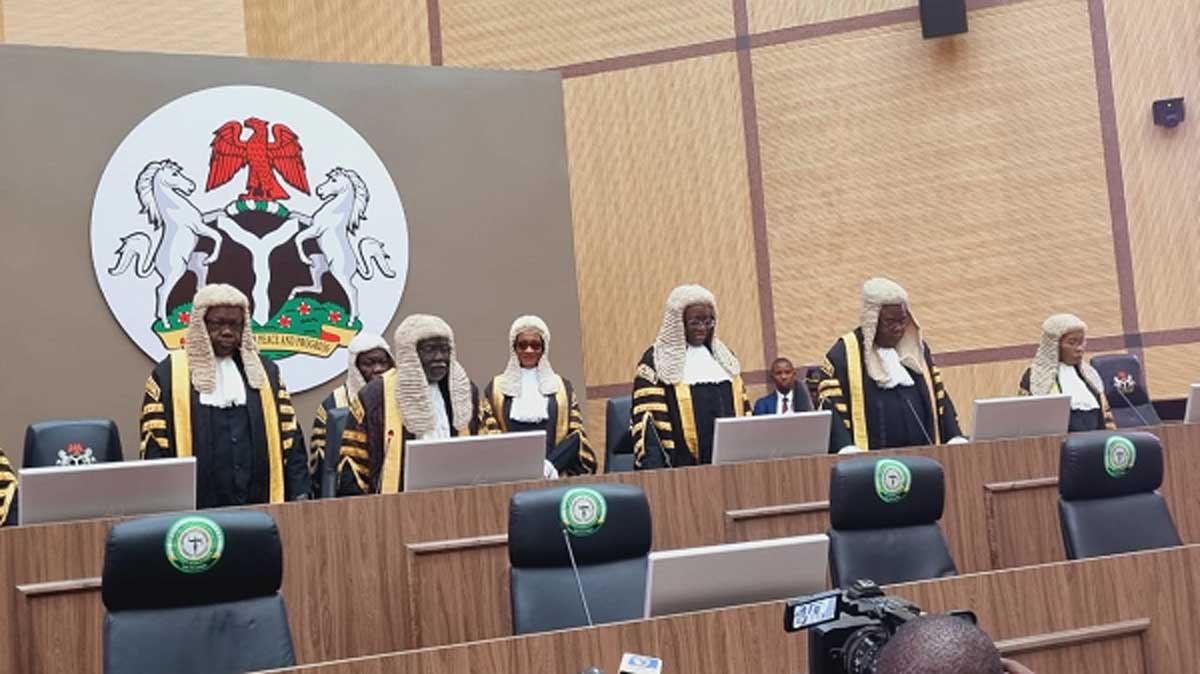
Further bolstering the sector, the Nigerian Electricity Regulatory Commission (NERC) has introduced the 2026 Net Billing Regulations. This framework permits eligible solar users with installed capacities ranging from 50 kilowatt-peak to 1.5 megawatt-peak to sell surplus electricity back to the grid. This regulation, requiring adherence to technical and regulatory requirements and the use of bidirectional meters, aims to promote renewable energy adoption, enhance energy security, encourage private sector participation in distributed generation, and reduce greenhouse gas emissions. While primarily targeting medium- and large-scale consumers, industry stakeholders anticipate it will stimulate further investment in distributed renewable energy.
The confluence of persistent grid instability, rising fuel costs, and supportive government policies, including significant investments in mini-grids and new regulatory incentives, positions Nigeria’s solar market for substantial future expansion. For legal professionals, compliance officers, and corporate executives, understanding these evolving regulatory frameworks and the underlying market drivers is crucial for navigating investment opportunities and ensuring compliance within Nigeria’s rapidly transforming energy landscape. The shift towards energy independence, driven by the practical realities of grid unreliability, underscores a fundamental change in how businesses and households are securing their power needs.