








South Africa Expands EV Incentives to Battery Minerals and Processing

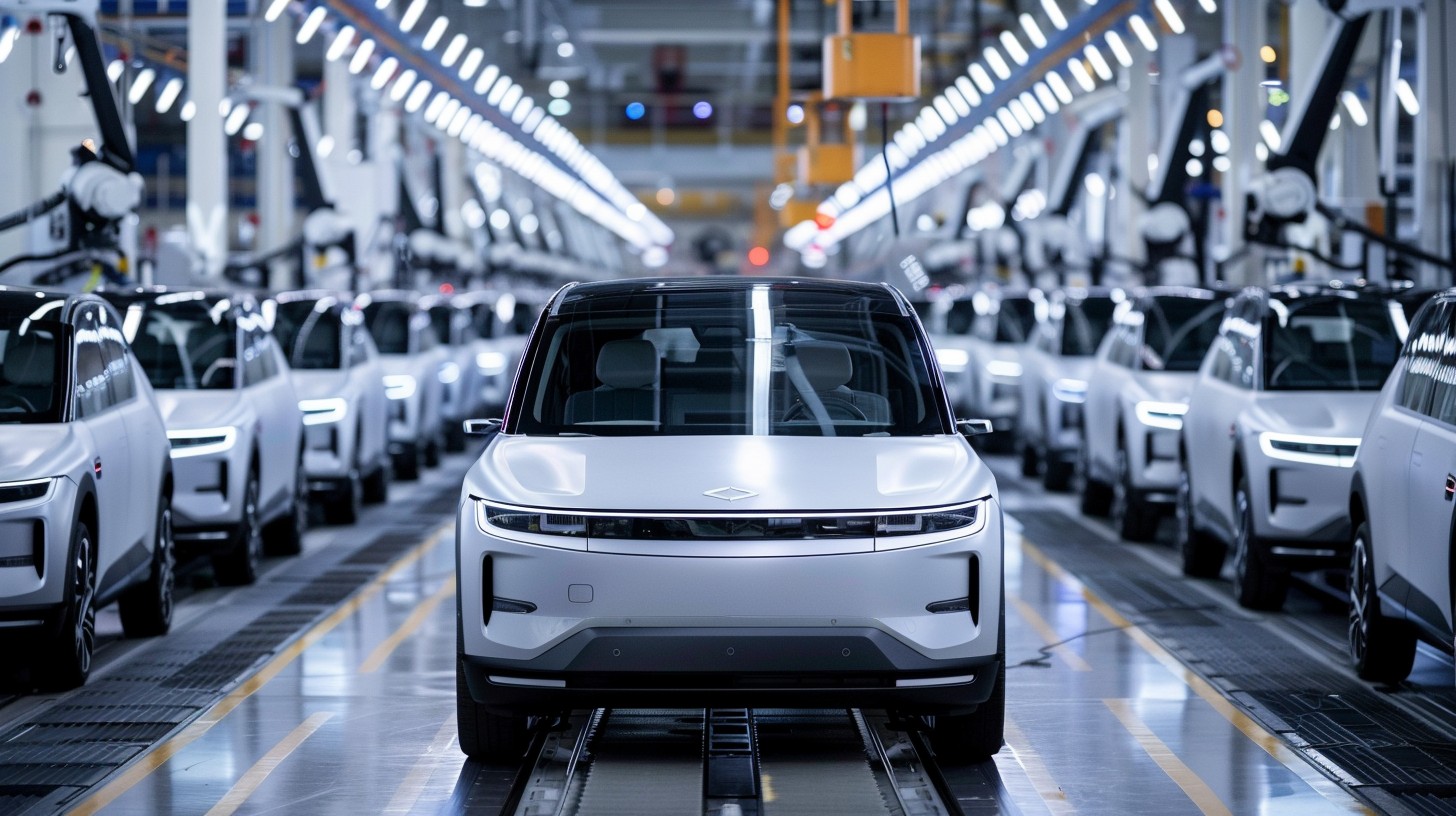

South Africa is preparing to extend its flagship automotive incentive programme to include key electric vehicle (EV) battery minerals and processed materials.
The proposal could strengthen the country’s position in global battery supply chains and attract new investment into mineral processing, refining and component manufacturing.
Rather than focusing primarily on vehicle assembly, policymakers are aiming to capture a larger share of the EV value chain.
Policy shift targets battery minerals
The International Trade Administration Commission (ITAC) has proposed adding battery-related minerals to the list of “standard materials” that qualify under South Africa’s automotive production incentive scheme.
The programme currently supports inputs such as aluminium, steel and platinum group metals. However, many minerals that are essential for EV battery production remain excluded.
Under the proposed changes, materials including lithium, graphite, copper, cobalt, iron and rare earths would become eligible once they are processed in South Africa or sourced from countries within the Southern African Customs Union (SACU) and the Southern African Development Community (SADC).
Producers would be allowed to count 50% of the value of these materials as local content. This would enable them to access production incentives and improve the economics of investing in battery-related processing activities.
The proposal directly links mining and mineral processing to South Africa’s established automotive support framework.
Building a broader EV ecosystem
The reforms support the objectives of the South African Automotive Master Plan 2035, which aims to increase annual vehicle production to around 1.4 million units while boosting localisation and supporting the transition to electric mobility.
South Africa’s automotive programme already includes customs duty rebates, production incentives, investment support and manufacturing allowances. Extending these benefits to battery materials signals a broader industrial strategy focused on building an integrated EV ecosystem.
As Africa’s leading automotive manufacturing hub, South Africa is seeking to adapt to changing global demand as electric vehicles gain market share at the expense of traditional internal combustion engine models.
A four-week public consultation period will now allow automakers, component suppliers, mining companies and industry groups to provide feedback on the proposed rules.
New opportunities for investors

Industry participants see the proposal as a significant step towards attracting investment across the EV supply chain.
By recognising processed battery minerals as qualifying materials, the incentive scheme could improve returns for refiners, processors and component manufacturers operating in South Africa or sourcing materials from the wider region.
The proposal also strengthens South Africa’s value proposition at a time when governments worldwide are competing aggressively for EV and battery investment.
Unlike many competitors, South Africa combines established automotive manufacturing capabilities with access to some of the world’s most important battery mineral resources. The inclusion of regional materials under the incentive framework could also encourage greater supply-chain integration across Southern Africa.
For automakers and battery manufacturers, the new incentives may improve the case for investing in local production of battery components such as cathodes, anodes and precursor materials. They could also encourage partnerships between international technology firms and African mining or processing companies.
What investors should watch
The next key milestone will be the finalisation of the proposed rules.
Investors will be looking for evidence that the policy translates into concrete commitments, including new processing plants, joint ventures and long-term supply agreements. Regulatory certainty, electricity reliability and the development of charging infrastructure will also play an important role in determining the pace of investment.
If implemented successfully, the expansion of South Africa EV incentives could transform a vehicle-focused support programme into a broader industrial platform that captures more value from the global shift towards electric mobility.